
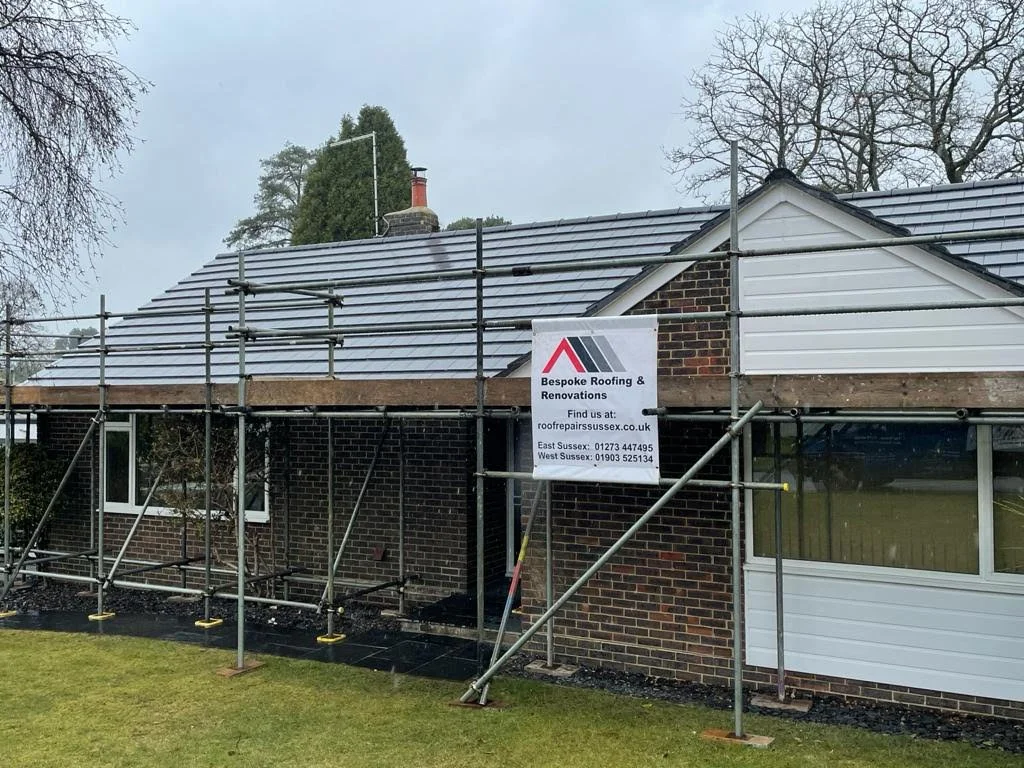
Roofing in Amberley
WE OFFER ALL YOUR ROOFING REQUIREMENTS IN Amberley, PLEASE CONTACT US FOR A FREE QUOTATION ON 01903 958694.


CLICK ON THE PRODUCT FOR YOUR REQUIREMENT
New Roofs Amberley
New Roof Lining Amberley
Chimney Repairs Amberley
Moss Removal Amberley
Valley Replacements Amberley
Hip, Ridge and Bonnet tiles Amberley
GRP FLAT ROOFS Amberley
FELT FLAT ROOF Amberley
Domestic Gutter Lining Amberley

Types of roof repairs in Amberley.
Amberley Roof Lining
Felt lining on a roof becomes worn over time, especially the older, non-breathable bitumen-based membranes. At Bespoke Roofing LTD we can replace that outdated felt and install a modern breathable membrane, providing improved ventilation and longer-lasting protection for your property.


Roofing Ventilation
You may not be aware but ventilation cannot be installed without having a breathable membrane lining, as this causes condensation in your roof space which can appear as a leak!
I would recommend this service to any client who's roof tiles are in good condition but the felt underneath has become dilapidated and also those who wish to install ventilation within their roof space.

Amberley Chimney repairs.
Chimney Pointing - Age plays a significant factor in the state of the mortar on your chimney. Once your mortar reaches a certain age it will begin to crack and crumble, allowing water to penetrate and find its way into your internal property, which can cause damp and structural issues over time.
Chimney Rendering - Again, age is an important factor in the condition of the render on your chimney. If the render starts to crack or delaminate it will permit water to travel and sit between the render and the brickwork, eventually leading to moisture penetration and potential damage to the masonry.
Chimney Flaunching - The chimney flaunching, sometimes known as the coping, is the top section of mortar that not only allows your pots to be bedded correctly but is also shaped to a fall so water can travel off the top of your stack. If this area degrades, water can collect and exacerbate deterioration.
Chimney Pots & Cowls - Chimney pots and cowls can become cracked or broken with age and exposure. Driving rain can also cause water ingress if a chimney cowl is missing or damaged, increasing the risk of leaks into the property.
Lead Flashings - Lead typically has a life span of around 20–30 years, depending on its grade and installation. Over time, lead expands and contracts with temperature changes and can begin to crack, split or deteriorate, which can lead to faults and water ingress where flashings are supposed to provide a watertight seal.
Amberley Moss Removal Moss, algae and lichen trap water on roofs and can fall into gutters and downpipes, blocking drainage.
We offer two removal options:
Dry scrape: manually remove all moss, algae and lichen.
Jet wash and seal: first dry-scrape, then jet wash with an antifungal solution. When dry, apply a high-quality roofing sealant to reduce regrowth and leave the roof fully clean.
Amberley Valley Repairs/Replacements Valleys are usually tiled, lead or fibreglass. We can fit any of these depending on the valley’s pitch. Often we replace the roof lining about one metre each side of the valley to ensure a weatherproof repair.
Amberley Ridge, Hip and Bonnet Repairs Ridge, hip and bonnet tiles form the roof’s external finish. Ridges and hips can be fixed with mortar or a dry ridge system; bonnet tiles are set with mortar.
The most common method of laying ridge, hips and bonnets is using a mortar mix, which in time can deteriorate through weathering.
This is one of our most common repairs as the mortar begins to age well before the tile itself in most cases.
The ridge, hip and bonnet tiles can also deteriorate through age and we also offer the service to replace the tile itself depending on its condition.
Another common roofing issue is through storm damage where tiles can be stripped from the roof in high winds, and therefore require replacing - mainly through insurance.
We at Bespoke Roofing offer all types of repairs, from full ridge, bonnet and hip lines to single tile replacements.
History of roofing Amberley
The history of roofing is a reflection of humanity's evolution in architecture and construction methods. From primitive shelters using leaves and branches to modern materials like metal and slate, roofing has adapted to meet the needs of different societies and climates.
In Amberley, a picturesque village in West Sussex, the roofs of local landmarks tell the story of the area’s architectural heritage. Many buildings in Amberley date back several centuries, showcasing various roofing styles that range from traditional thatched roofs to elegant slate-covered structures.
One notable landmark is the Amberley Castle, originally built in 1103. Its fortified structure features an impressive roof that has undergone restoration to maintain its medieval charm. The steep pitch and stone roofing emphasize durability and protection, which were essential during the turbulent periods of its history.
Another significant site is St. Michael's Church, a historic building known for its beautiful flint and tile construction. The church's roof, adorned with decorative tiles, reflects both the local tradition and the craftsmanship of the era. This blend of materials not only provided aesthetic appeal but also functionality, shielding the interior from the often unpredictable West Sussex weather.
As time progressed, the introduction of innovative roofing materials, such as Welsh slate and clay tiles, began to emerge in the region. These materials became popular for their longevity and natural resistance to the elements. In Amberley, many of the quaint cottages retain these traditional roofs, providing a sense of continuity with the past.
In contemporary times, roofing in Amberley continues to evolve. The use of eco-friendly materials for energy efficiency and modern design choices have begun to permeate the landscape, reflecting broader trends in sustainable construction while honoring the village's historical essence.
The history of roofing in Amberley is a testament to the community's resilience and commitment to preserving its architectural heritage, with each roof telling a unique story of the people, the place, and the passage of time.